Muslim Wedding Guide: Nikah Ceremony, Rules & Traditions
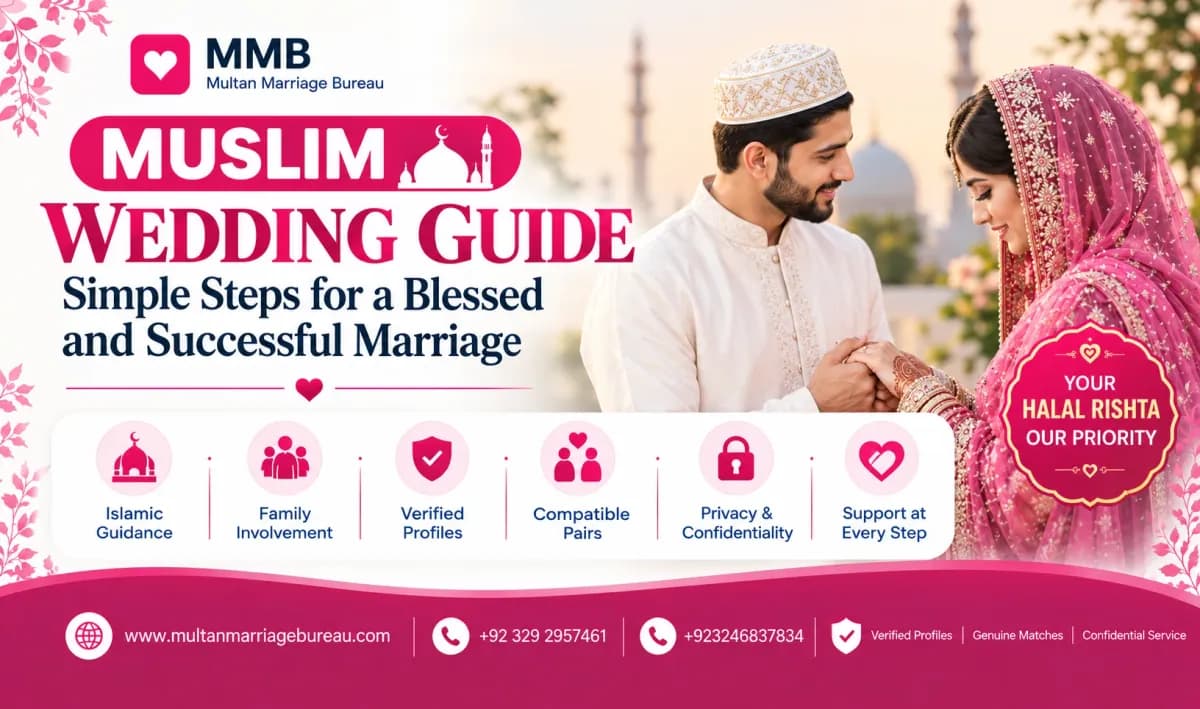
A Muslim wedding brings together two separate things: the Nikah, which is the Islamic marriage contract that actually makes a couple husband and wife, and the celebration around it, which varies widely from one culture to another. This guide explains what Islam requires for a valid marriage, how a Nikah ceremony is performed step by step, and how wedding customs differ across Muslim communities — keeping religious obligations clearly separate from cultural tradition.
What is a Muslim wedding?
A Muslim wedding is the union of a man and woman through the Nikah — the Islamic marriage contract — usually followed by a celebration such as the Walima. The Nikah is the religious and legal heart of the marriage; the celebrations, clothing and rituals around it are cultural and differ from country to country. A marriage is valid in Islam once the Nikah conditions are met, whether or not there is a large party afterwards.
What is marriage according to Islam?
In Islam, marriage (nikah) is both an act of worship and a social contract. It is strongly encouraged as the lawful way to build a family, find companionship and tranquillity, and protect chastity. The Qur'an describes spouses as a source of calm and affection for one another (Surah Ar-Rum 30:21), and marriage is widely regarded as completing half of a believer's faith. It is a partnership built on mutual rights, responsibilities, kindness and consent — not merely a ceremony.
What is Nikah in Islam?
Nikah is the Islamic marriage contract — a formal agreement in which a man and woman consent to marry in the presence of witnesses, with a mahr (gift) given to the bride. It is what makes the marriage lawful in Islam. The Nikah can be simple: an offer and acceptance, witnesses, the mahr, and the consent of both parties. Everything else — the venue, the feast, the clothing — is additional and cultural.
How do Muslims get married?
In practice, a Muslim marriage usually follows these stages:
- Finding a suitable partner — often through family, community, or a trusted matrimonial service, with compatibility in deen and character given priority.
- Proposal and agreement — the families meet, the couple (where they wish) get to know each other within Islamic limits, and both freely agree.
- Agreeing the mahr — the gift the groom gives the bride is decided and recorded.
- The Nikah ceremony — offer and acceptance before witnesses, making the marriage official.
- Civil registration — in most countries the marriage is also registered under local law.
- The Walima — the wedding feast hosted (traditionally by the groom) to announce the marriage publicly.
Muslim wedding ceremony steps
A typical Nikah ceremony includes these elements. The essential parts make the marriage valid; the others are customary.
| Step | Status |
|---|---|
| Consent of bride and groom | Essential |
| Offer (ijab) and acceptance (qabul) | Essential |
| Mahr agreed for the bride | Essential |
| Witnesses present | Essential (details vary by school) |
| Khutbah (short sermon) by the officiant | Recommended / customary |
| Signing the marriage contract | Customary / legal |
| Du'a and congratulations | Customary |
| Walima (wedding feast) | Sunnah, held afterwards |
How to perform a Nikah ceremony
The ceremony is led by an officiant — often an Imam or an authorised person — but the core is simple. The groom (or his representative) makes an offer of marriage; the bride (directly or through her wali, depending on the school of thought) accepts. This offer and acceptance takes place in the same sitting, before witnesses, with the mahr agreed. The officiant commonly delivers a short khutbah reminding the couple of their duties, and leads a du'a. Once offer and acceptance are complete with the conditions met, the couple are married.
Islamic marriage rules and requirements
For a marriage to be valid in Islam, the main considerations are:
- Free and genuine consent of both the bride and groom — forced marriage is not valid in Islam.
- Mahr — a gift from the groom to the bride, which is her right.
- Witnesses — generally required; the exact number and gender requirements differ among the schools of thought.
- The wali (guardian) — the majority of schools require a wali for the bride, while the Hanafi school allows an adult woman to contract her own marriage under certain conditions. This is a known point of scholarly difference.
- Eligibility — both must be free to marry and not within the prohibited degrees of relationship.
- Legal registration — civil marriage and registration requirements vary by country and should be checked locally.
Where scholars differ, this guide notes the difference rather than presenting one view as the only correct one. For a specific situation, consult a qualified scholar.
What is the Mahr?
The mahr is an obligatory gift the groom gives to the bride as part of the marriage. It belongs to her alone. It can be money, gold, property, or something of value, and there is no fixed amount — it should be agreed mutually and within the groom's means. The mahr is a right of the wife, not a "price," and is a symbol of the husband's commitment and responsibility.
Nikah ceremony dress code
Islam requires modest dress for the bride, groom and guests, but it does not prescribe a particular colour or style. Brides across the Muslim world wear very different outfits — red and gold in South Asia, white or pastel elsewhere, embroidered kaftans in parts of the Arab world. What is consistent is modesty (covering as required, loose and dignified clothing) rather than a single "Islamic wedding dress." Venue and family customs also influence what is worn.
Does a Muslim wedding have to be in a mosque?
No. A mosque is not required for a valid Muslim marriage. A Nikah can take place at a mosque, at home, in a wedding hall, or another suitable venue, as long as the conditions are met. Many couples do choose a mosque. If you want a mosque wedding, it helps to:
- Contact the mosque well in advance and check its policies.
- Arrange the officiant (Imam or authorised person).
- Confirm witness and documentation requirements.
- Check dress and conduct expectations.
- Confirm any civil registration needed under local law.
Muslim wedding customs around the world
While the Nikah is the same essential contract everywhere, celebrations vary enormously by culture. South Asian weddings often include mehndi and multi-day events; Arab weddings may feature a zaffa procession; Turkish, African and Southeast Asian communities each have their own festivities. These are cultural traditions, not religious obligations — a point worth remembering so that custom is never confused with what Islam actually requires.
The essentials of a Muslim marriage are simple and the same everywhere — consent, mahr, witnesses and a lawful offer and acceptance. The grand celebrations are a gift of culture, not a condition of the marriage.
Can Imams marry couples?
Yes — an Imam can officiate a Muslim marriage where he is authorised to do so, leading the ceremony and often the khutbah and du'a. In many countries the officiant must also be registered to perform legally recognised marriages. Note that officiating a marriage is separate from the Imam's own marital status: Imams in Sunni Islam may themselves marry and have families.
Frequently asked questions
What is Nikah in Islam?
Nikah is the Islamic marriage contract — an offer and acceptance between a man and woman, with witnesses and a mahr, that makes their marriage lawful.
Is a mosque required for a Muslim wedding?
No. A Nikah is valid in any suitable place once its conditions are met. A mosque is a common choice, not a requirement.
Is a Walima compulsory?
The Walima (wedding feast) is a strongly encouraged sunnah to announce the marriage, but it is not a condition for the marriage to be valid.
Can Muslim wedding traditions differ between countries?
Yes. The Nikah contract is the same, but celebrations, clothing and rituals vary widely by culture and are not religious obligations.
What is the difference between the Nikah and the wedding reception?
The Nikah is the religious contract that makes the couple married. The reception or Walima is the celebration that follows — important socially, but not what makes the marriage valid.
Looking for a partner the halal way?
Before the Nikah comes finding the right person. Multan Marriage Bureau connects verified Muslim profiles with a faith-centered, families-first approach.
Register FreeThis guide is for general information and explains differences among recognised schools of thought where they exist. It is not a religious ruling. For your specific situation, consult a qualified local scholar or Imam, and check civil marriage requirements in your country.